
𝗖𝗼𝗻𝘃𝗲𝗻𝗶𝗲𝗻𝗰𝗲 𝗪𝗼𝗻. 𝗧𝗵𝗲 𝗦𝘁𝗼𝗿𝗲 𝗣𝗮𝗶𝗱 𝘁𝗵𝗲 𝗣𝗿𝗶𝗰𝗲.
Retail in Real Time ● Republish

Target’s flexible fulfillment programs are genuinely impressive.
Drive Up. Order Pickup. Shipt. Returns at the car. Starbucks at the window. The ability to use your own bags. In our house, ~75% of our Target shopping now happens via Drive Up because it is fast, reliable, and simple. Even when something goes wrong, issue resolution takes only seconds in the app.
As a service, this works.
But after months of sitting in my car waiting for orders, I kept asking a different question. What impact is this having on the store?
𝗪𝗵𝗮𝘁 𝗜 𝗦𝗮𝘄
In several non-Super Target locations, the answer is visible almost immediately.
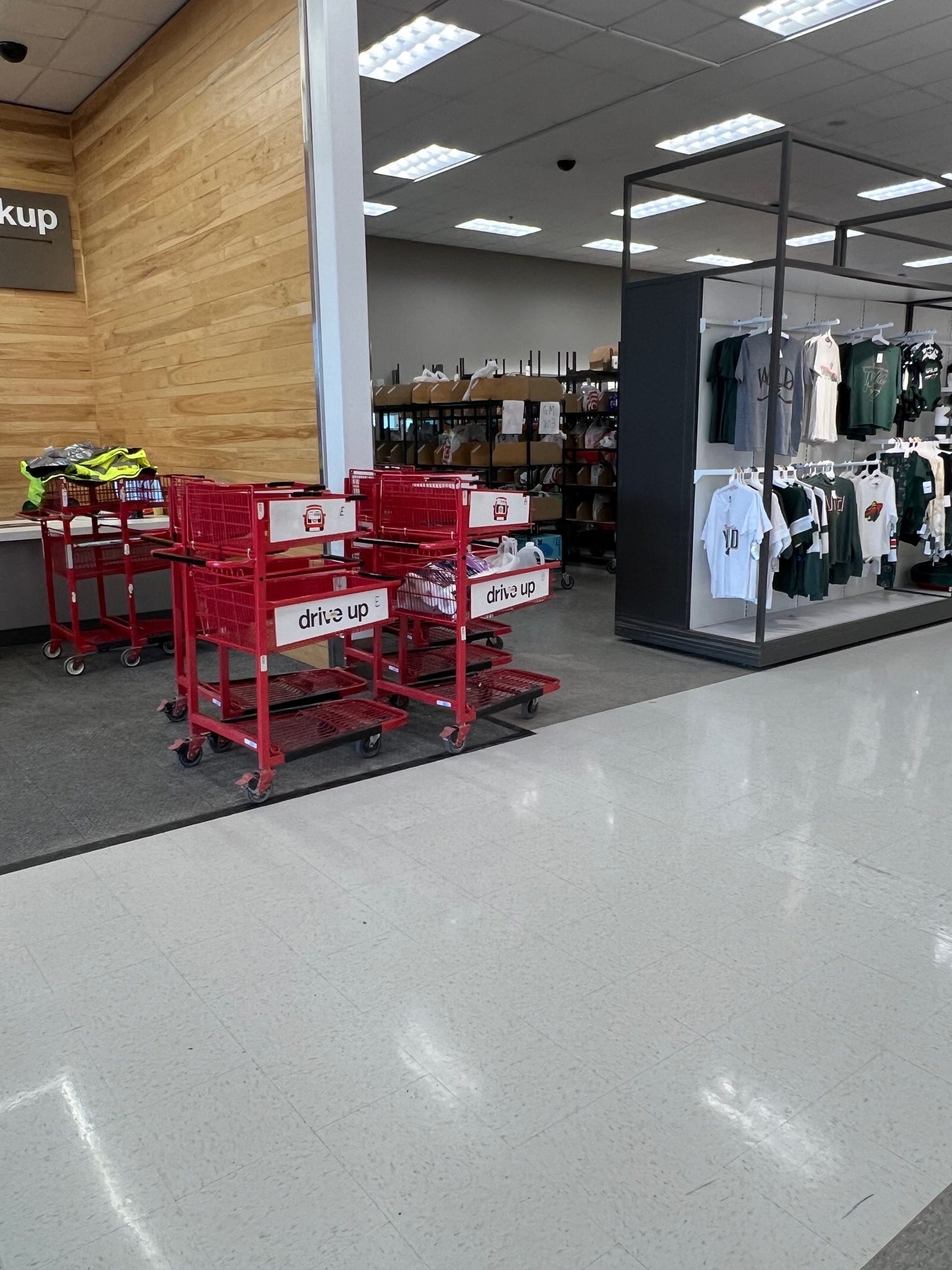
Large sections of former apparel floor space have been converted into makeshift fulfillment zones. Wire shelving. Coolers and freezers. Open racks of cardboard boxes filled with labeled orders. Rows of red carts parked near guest services. Associates moving quickly between devices, stockrooms, and the parking lot.
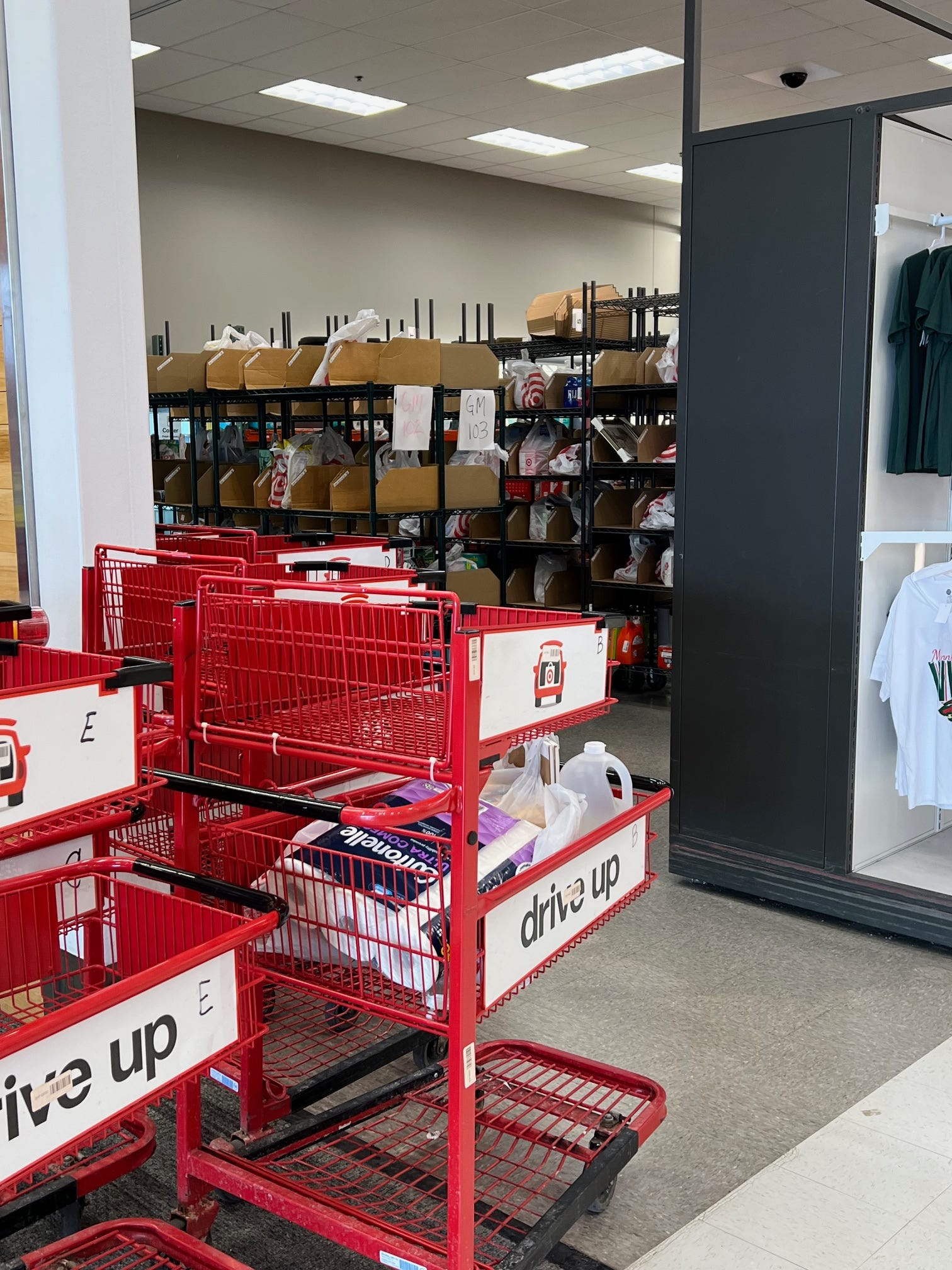
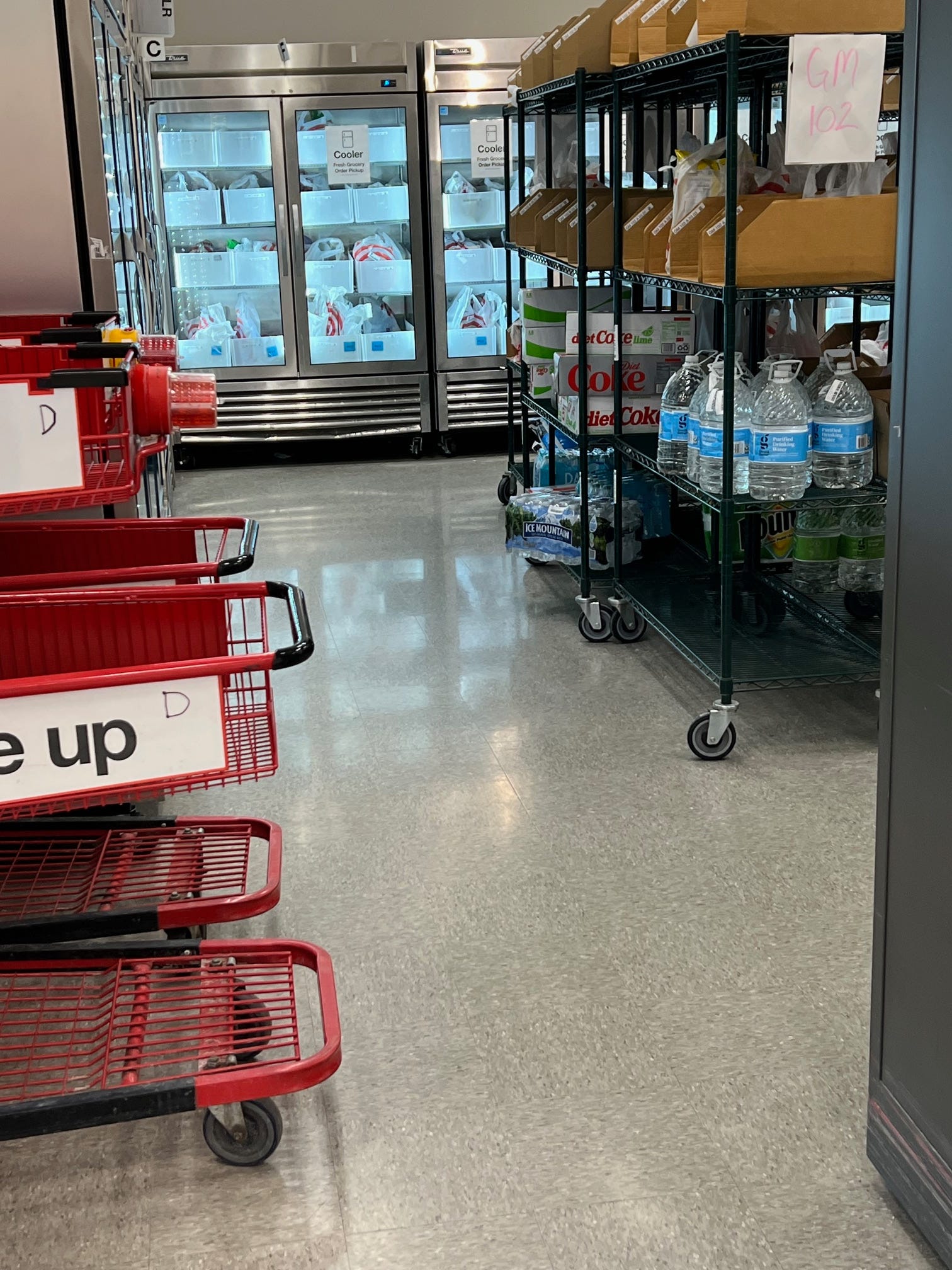
These operational areas are not hidden. They sit directly along customer pathways and sightlines, often at the front of store. Transitions into adjacent categories are abrupt and unfinished. In one location, Minnesota Wild apparel sits on one side of an opening, women’s apparel on the other, with fulfillment infrastructure fully exposed in between.
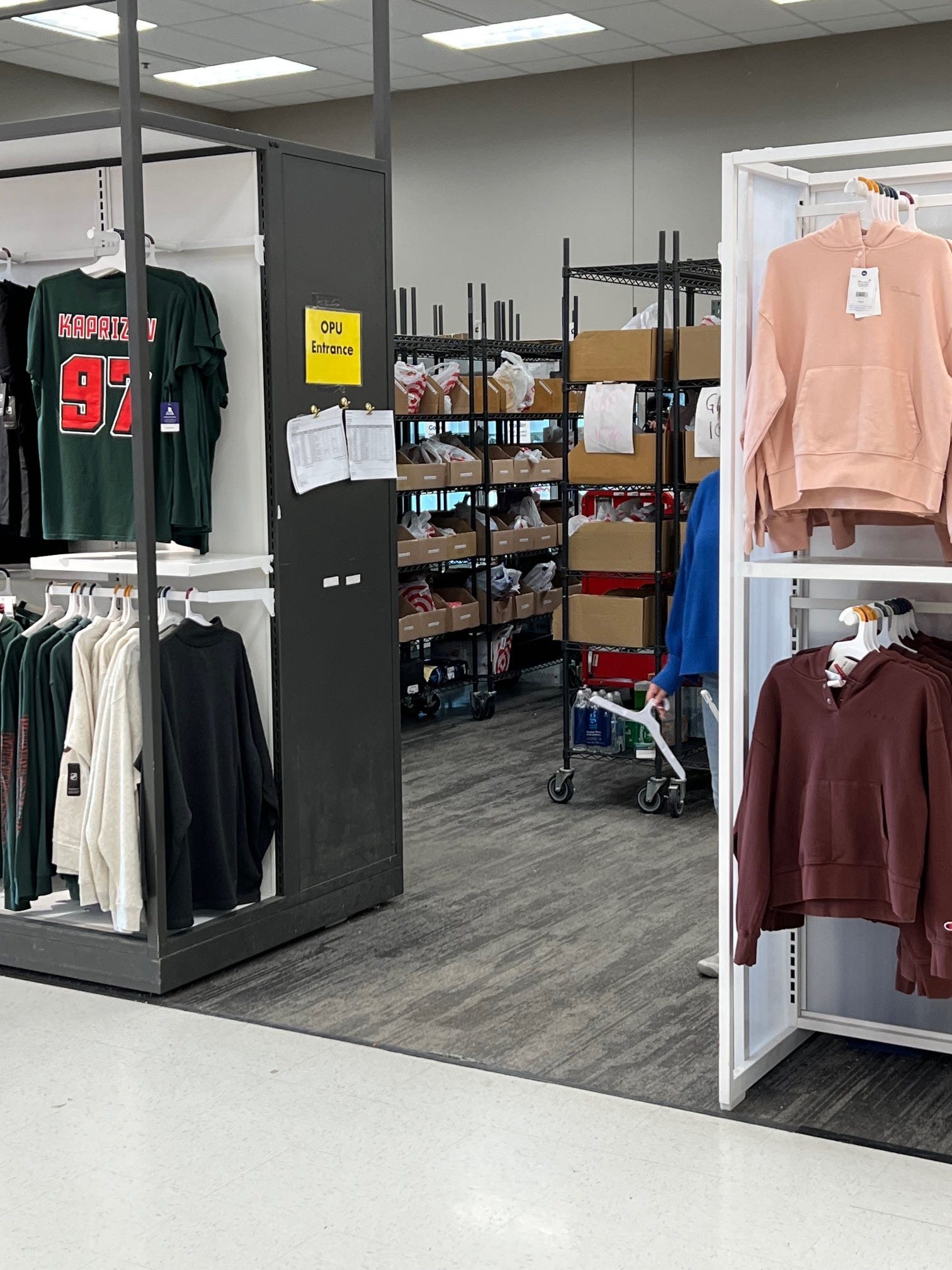
The store has become part showroom, part distribution center, without being fully designed for either.
𝗪𝗵𝘆 𝗜𝘁 𝗠𝗮𝘁𝘁𝗲𝗿𝘀
Ross Maltby captured one side of this tension when he wrote on LinkedIn that “flexible fulfillment chipped away at discovery and browsing”. Those trips where one item turned into fifteen were driven by wandering, adjacency, and impulse. That behavior largely disappears when the trip ends at a trunk. I’ll link to his piece in the comments.
Labor has moved to the parking lot. Selling space has been reallocated to holding, staging, and picking. Visual rhythm inside the store is disrupted. Apparel, once a front of store driver, has been pushed deeper, losing visibility and momentum.
This is not a store team issue. It is a format, operations, and space issue.
𝗪𝗵𝗮𝘁 𝗢𝘁𝗵𝗲𝗿 𝗥𝗲𝘁𝗮𝗶𝗹𝗲𝗿𝘀 𝗖𝗮𝗻 𝗟𝗲𝗮𝗿𝗻
Flexible fulfillment is not going away. Convenience is now table stakes. But convenience cannot be layered onto legacy store formats indefinitely without consequence.
Retailers need to rethink where fulfillment lives within the box, how operational zones are consolidated, how adjacencies and flow are rebuilt, and how labor models rebalance so stores still feel staffed and shoppable.
If fulfillment is now core to the business, it deserves purpose-built space, not improvised solutions that erode the experience.
𝗖𝗹𝗼𝘀𝗶𝗻𝗴 𝗧𝗵𝗼𝘂𝗴𝗵𝘁
Target solved for convenience quickly and brilliantly when it mattered most. The next chapter is harder. It requires redesigning stores so efficiency and experience can coexist.