
Strategy Made Tangible
Retail in Real Time ● February 13

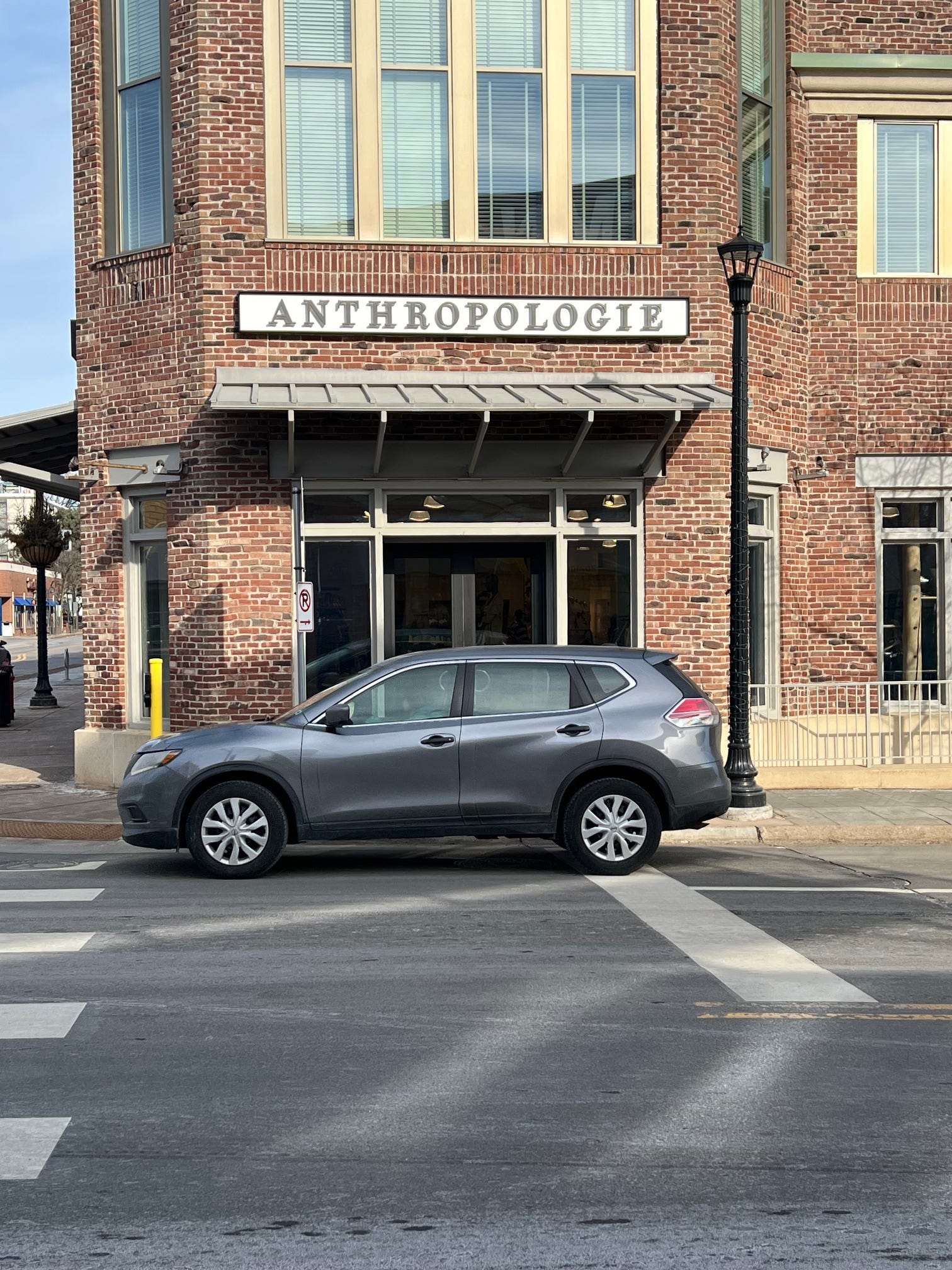
A well-executed store does more than display product. It creates a feeling customers recognize before they can explain it.
Earlier this week, I visited Anthropologie at 50th & France, diagonally across from the Altar’d State location I wrote about recently. What becomes clear quickly is how naturally environment, merchandising, and product work together. Nothing feels forced. Nothing feels overly explained. The experience unfolds gradually, and that restraint is exactly what makes it effective.
Anthropologie has long operated in this space between retail and environment. The store does not simply present merchandise. It builds a mood first, then allows product to live within it.
The Emotional Entry
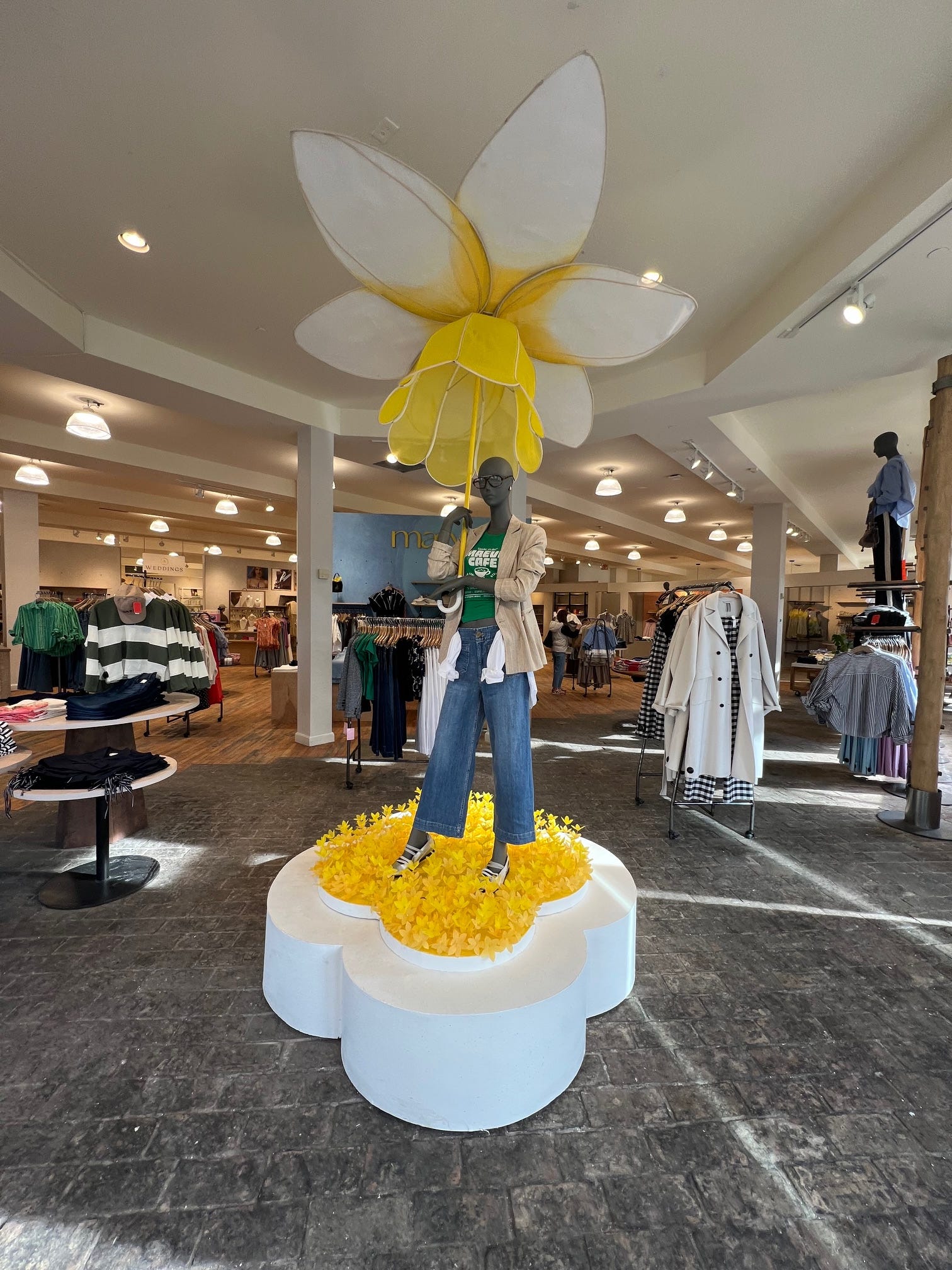
The entrance immediately signals seasonal transition. A floral focal point introduces color and movement, quietly shifting the customer’s mindset toward spring before a single product is considered. Anthropologie understands something many retailers overlook. The emotional entry sets expectation. Customers decide how they feel about a space within moments of crossing the threshold.
Inside, softly painted walls create depth behind the assortment. The finish feels hand-worked rather than manufactured, adding warmth and texture without competing for attention. Natural woods, brick flooring, faux marble tables, and curved metal fixtures layer together comfortably. Materials feel collected rather than specified.
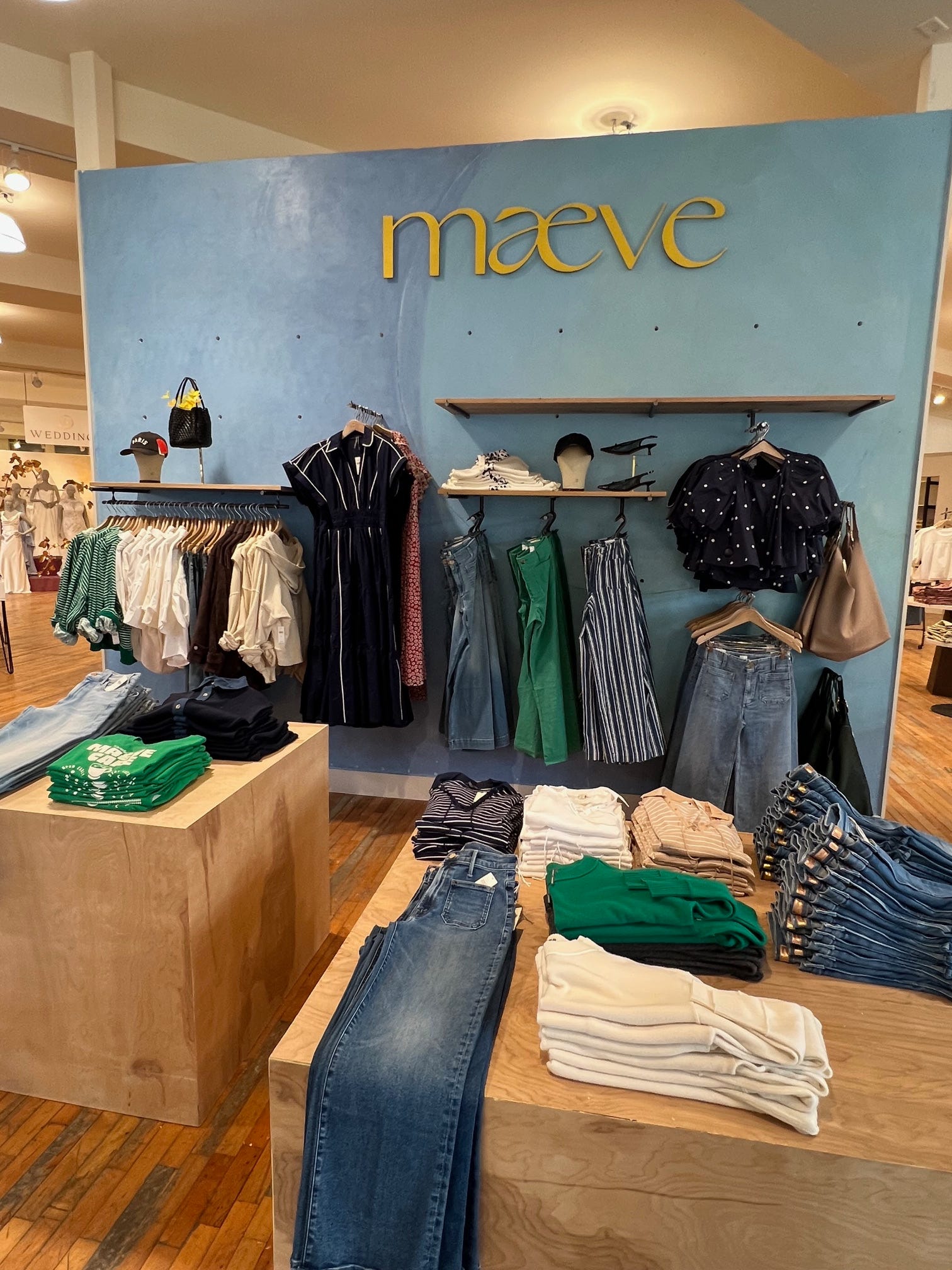
Even the imperfect flooring transitions contribute to the experience. Instead of feeling unresolved, they reinforce a boutique sensibility. The space feels evolved over time rather than installed all at once.
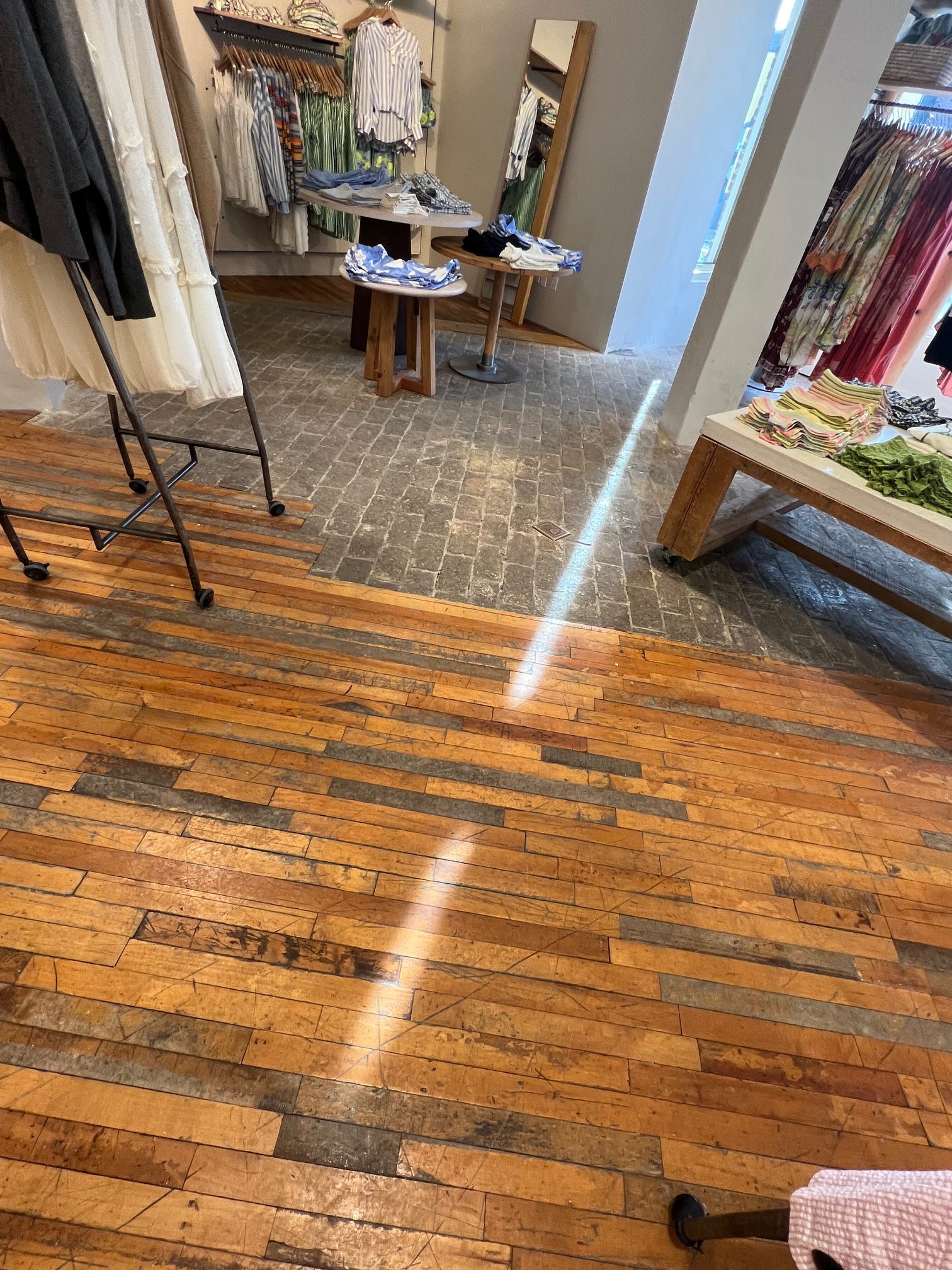
That distinction matters. Customers tend to trust environments that feel human.
Merchandising That Supports the Environment
The merchandising follows the same discipline. Apparel and home coexist, but the assortment remains clearly edited. Seasonal moments introduce energy without overwhelming the space. Tables feel composed rather than filled, allowing product to breathe and customers to move without friction.
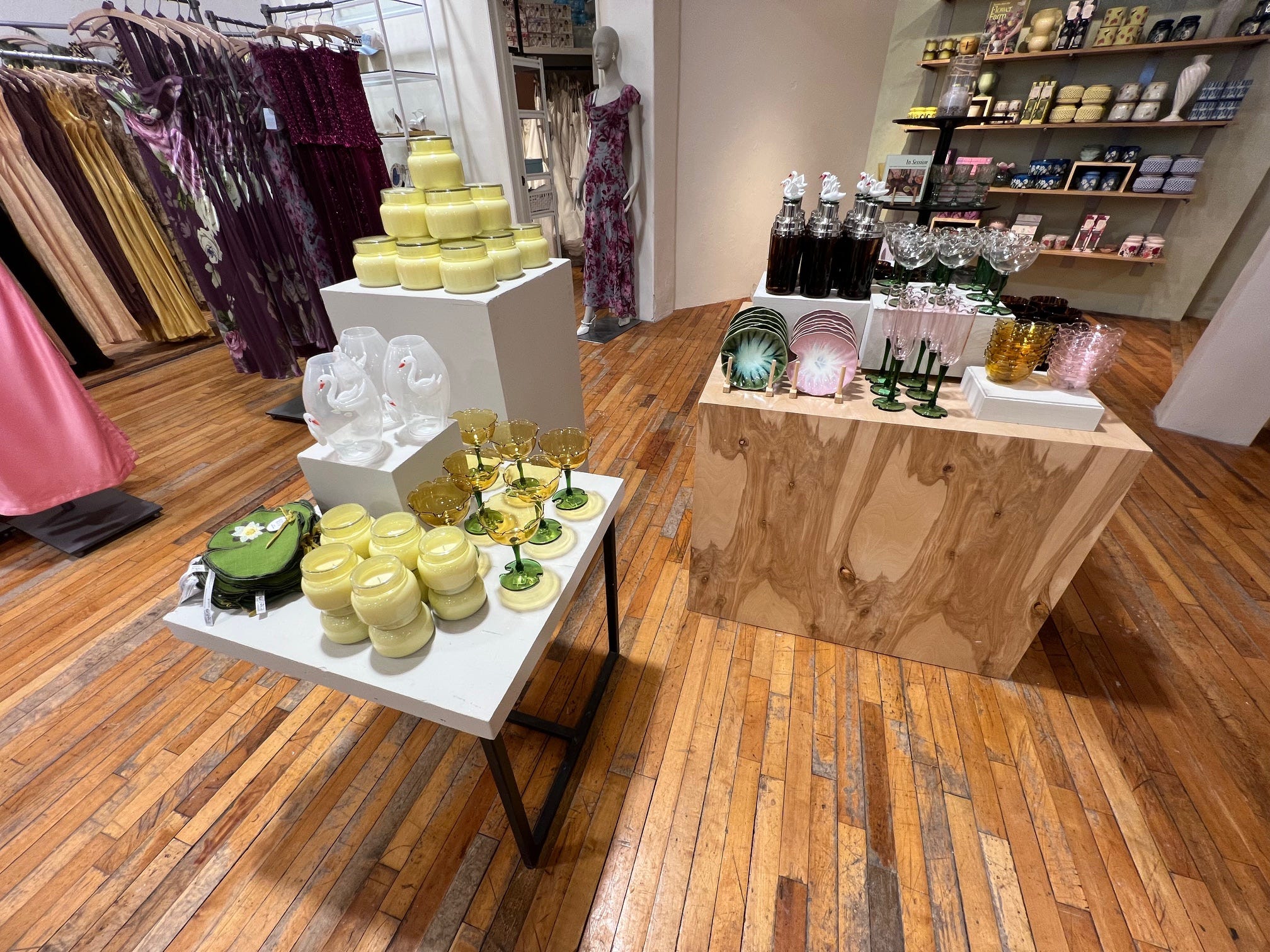
This balance is difficult to achieve. Too much density removes discovery. Too little creates hesitation. Anthropologie consistently operates in the middle ground, where abundance feels curated rather than crowded.
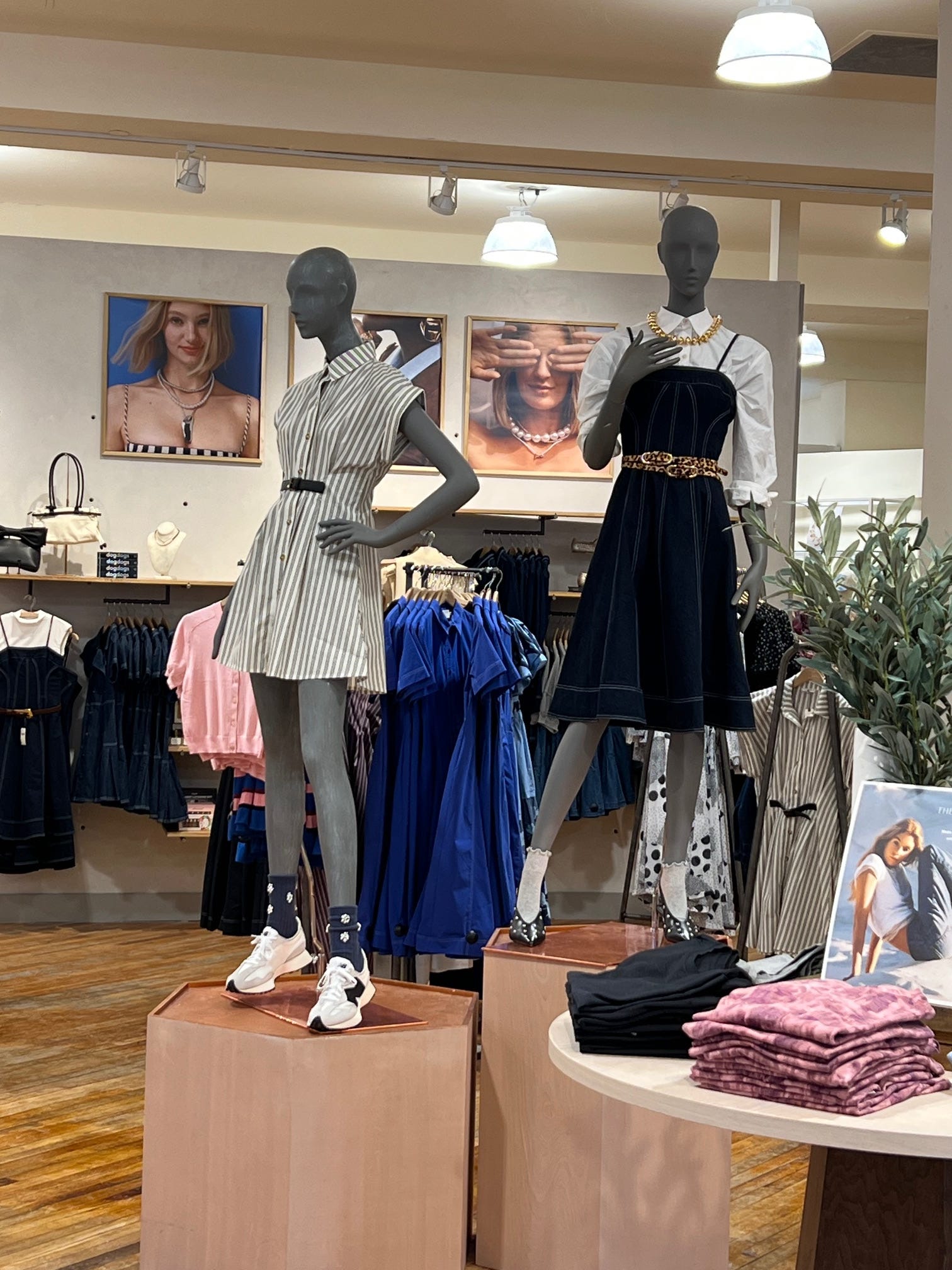
Mannequin styling plays an important role here. Outfits are styled from head to toe, but in ways that feel attainable rather than aspirational. One look in particular, pairing a dress with socks and sneakers, shifts the presentation from styled fantasy to something customers can immediately imagine wearing themselves. That small adjustment closes the gap between inspiration and action.
A Destination Within the Store
The wedding shop introduces another layer of purpose. Anthropologie’s BHLDN concept creates a destination inside the broader environment, bringing appointment-driven traffic and energy into the store. During this visit, the space was active, with gowns being tried on and conversations happening throughout the area.
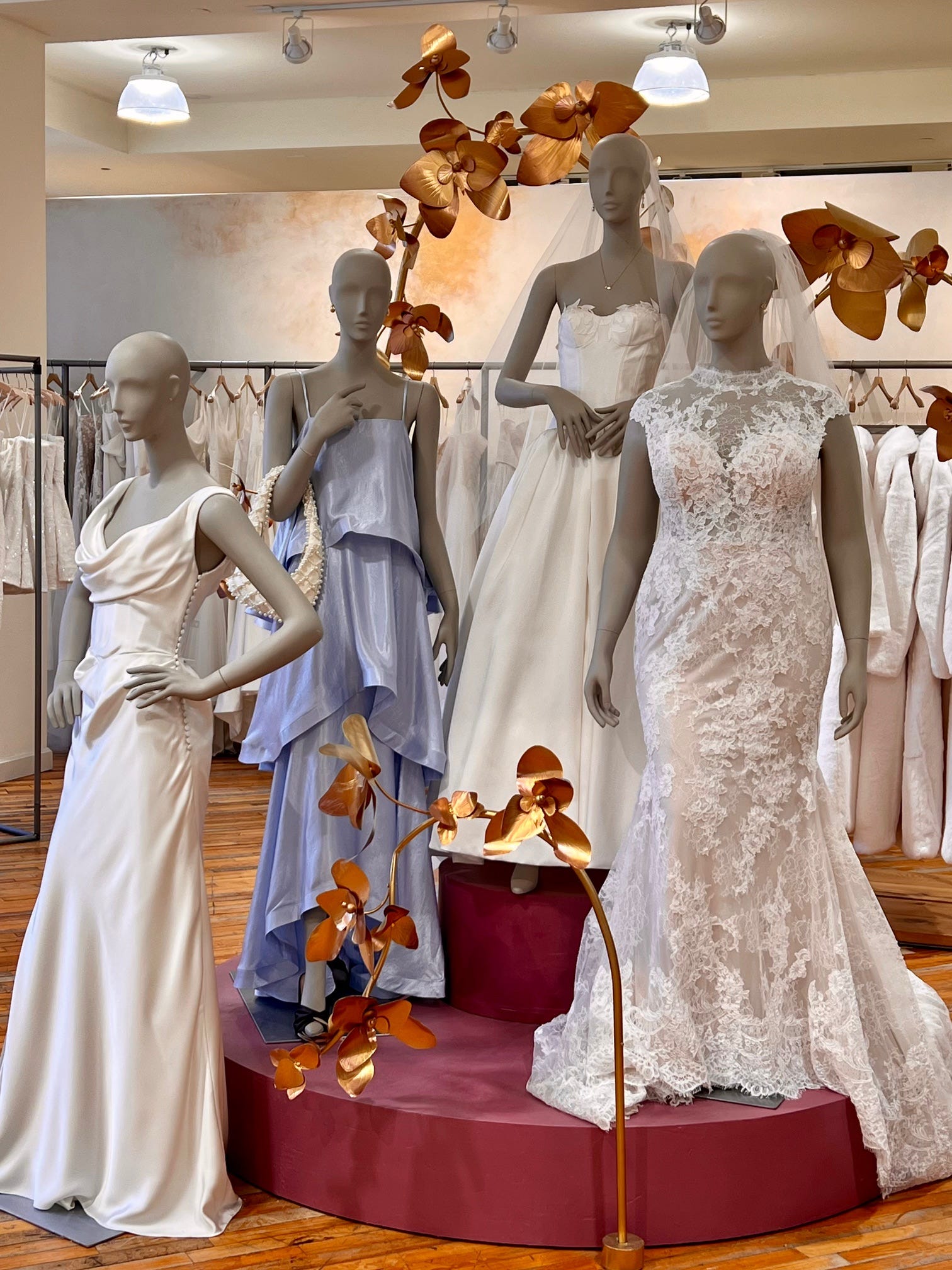
This is strategically important. The wedding business introduces customers at a meaningful life moment, often expanding their relationship with the brand beyond a single purchase. The energy from that experience carries outward into the rest of the store.
It changes the rhythm of the environment.
Why It Works
The environment never competes with the merchandise. Materials, lighting, and fixture choices create rhythm and pause points that guide movement naturally. Customers are not pushed through the space. They are invited to move through it.
This is where store design becomes brand expression in physical form.
Anthropologie succeeds because the experience feels intentional without feeling controlled. The space allows for discovery while still communicating a clear point of view.
Why This Matters for Other Retailers
Many retailers attempt to create experience through individual moments. A dramatic display. A bold fixture. A seasonal installation.
What Anthropologie demonstrates is that experience is cumulative.
Architecture, merchandising, styling, and assortment strategy all reinforce the same idea. When those elements align, customers spend less time interpreting the environment and more time engaging with product. The store begins doing the explanatory work on behalf of the brand.
For other retailers, the lesson is not to replicate the aesthetic. It is to identify which physical elements carry the emotional weight of the brand and protect those decisions consistently across locations.
Coherence matters more than spectacle.
Closing Thought
Anthropologie is a reminder that retail environments do not need to feel perfect to feel special. They need to feel intentional, human, and thoughtfully composed.
When that happens, customers linger. And when customers linger, connection follows.
How I Can Help
I work with retailers to align store format, merchandising, and physical experience so environments support both brand storytelling and operational execution, creating stores where customers want to stay longer and return more often.