
Target Circle Week: Retail’s Battle for Attention
Retail in Real Time

Setting the Stage
It’s one of retail’s loudest weeks of the year. Amazon Big Deal Days. Walmart Deals. Target Circle Week. Every major retailer is chasing attention, and they aren’t alone, creating a national promotion rhythm that blurs the line between “early October” and “holiday season.”
Target is leaning in hard.
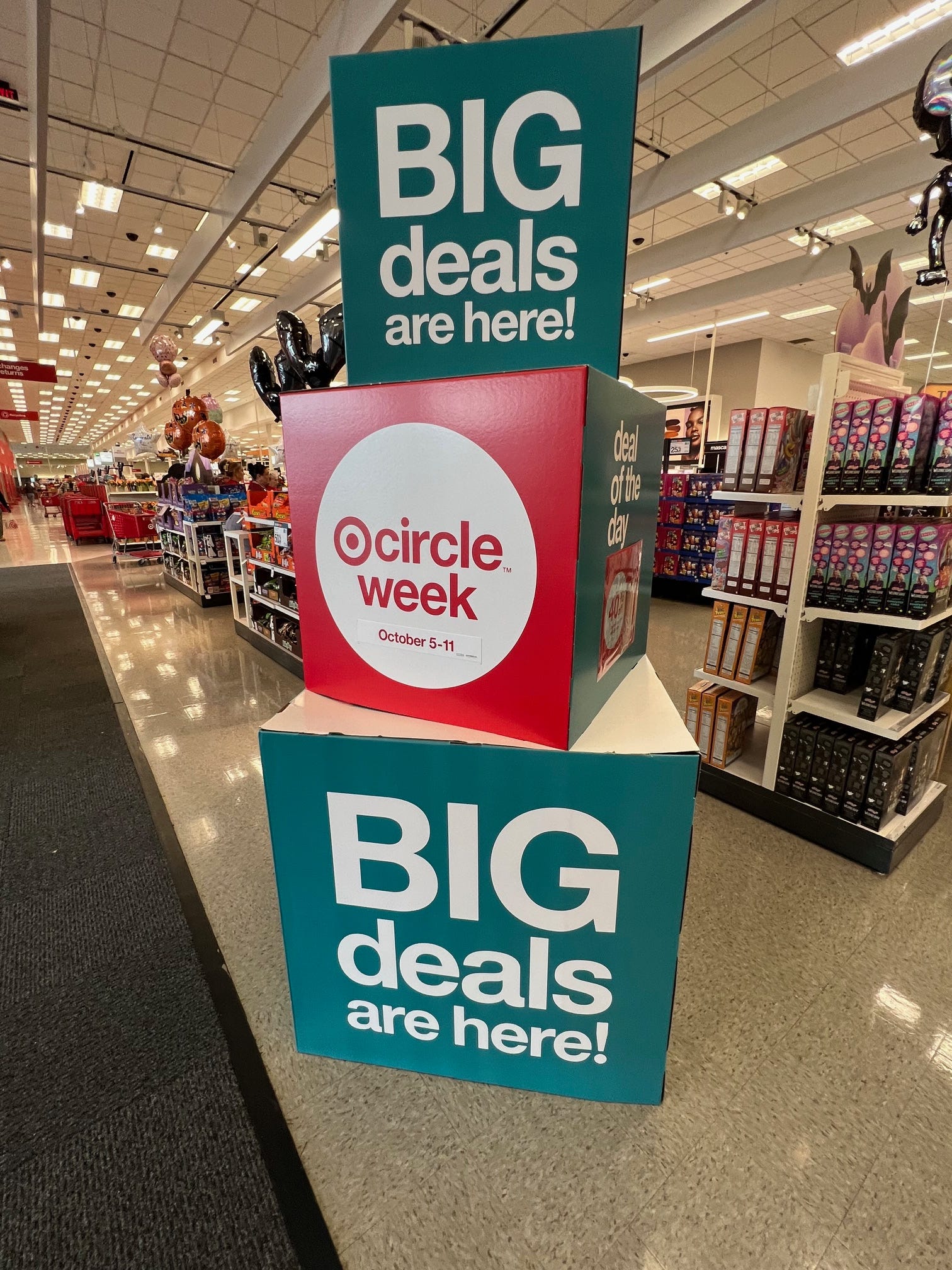
Front of store, the teal and red takeover makes it impossible to miss. Large cubes shout, “BIG deals are here,” with consistent messaging on gondola, endcaps, and even team smocks. The activation is broad, clear, and confident.
What Worked
1. Strategic timing and synergy
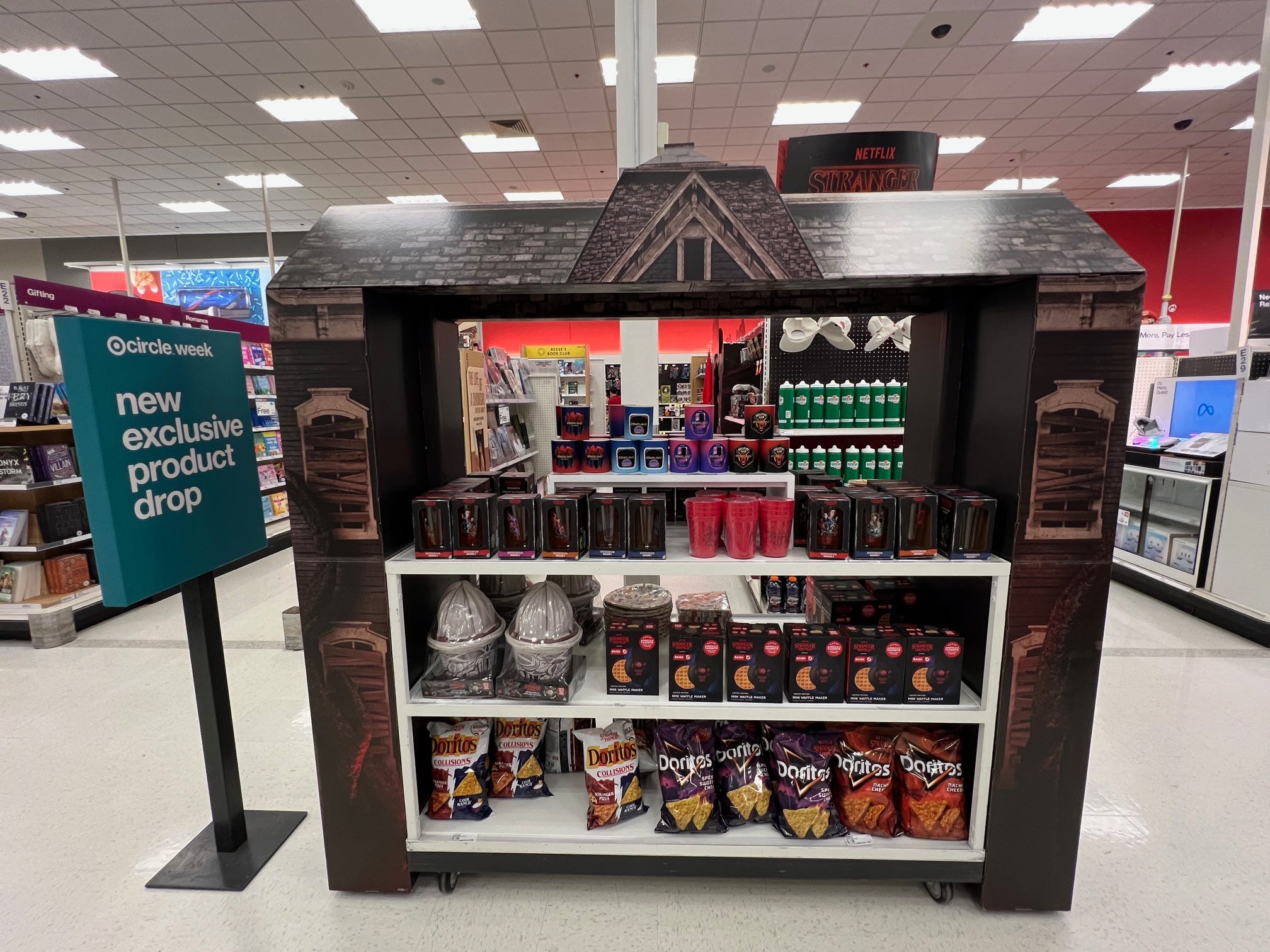
Circle Week launched the same day as Target’s Stranger Things collection (150+ new items), a smart move that compounded attention and layered fan excitement with deal-driven traffic. That kind of cross-moment planning feels intentional and gave the event theater that extended beyond signage. This is different from past Circle Weeks.
2. Energy where it counts
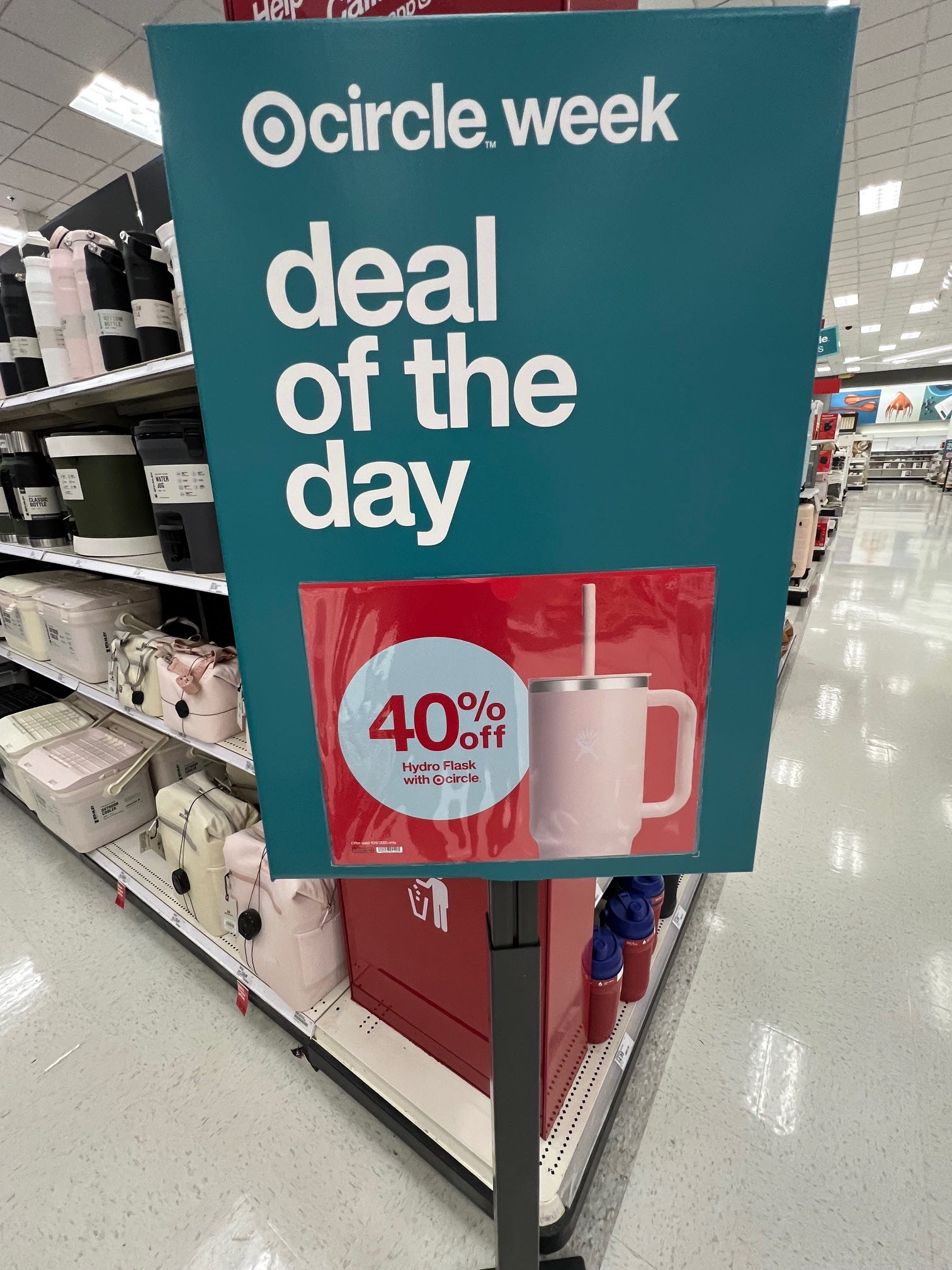
Front-of-store zones, grocery aisles, and household commodities show thoughtful execution. “Deal of the Day” and BOGO 30 - 50% offers are bold and visible. Even in-store communication through employee engagement, such as “Ask me about Circle” callout on an employee smock, builds human connection into what could easily feel like just another promotion.
3. Broader storytelling through exclusives
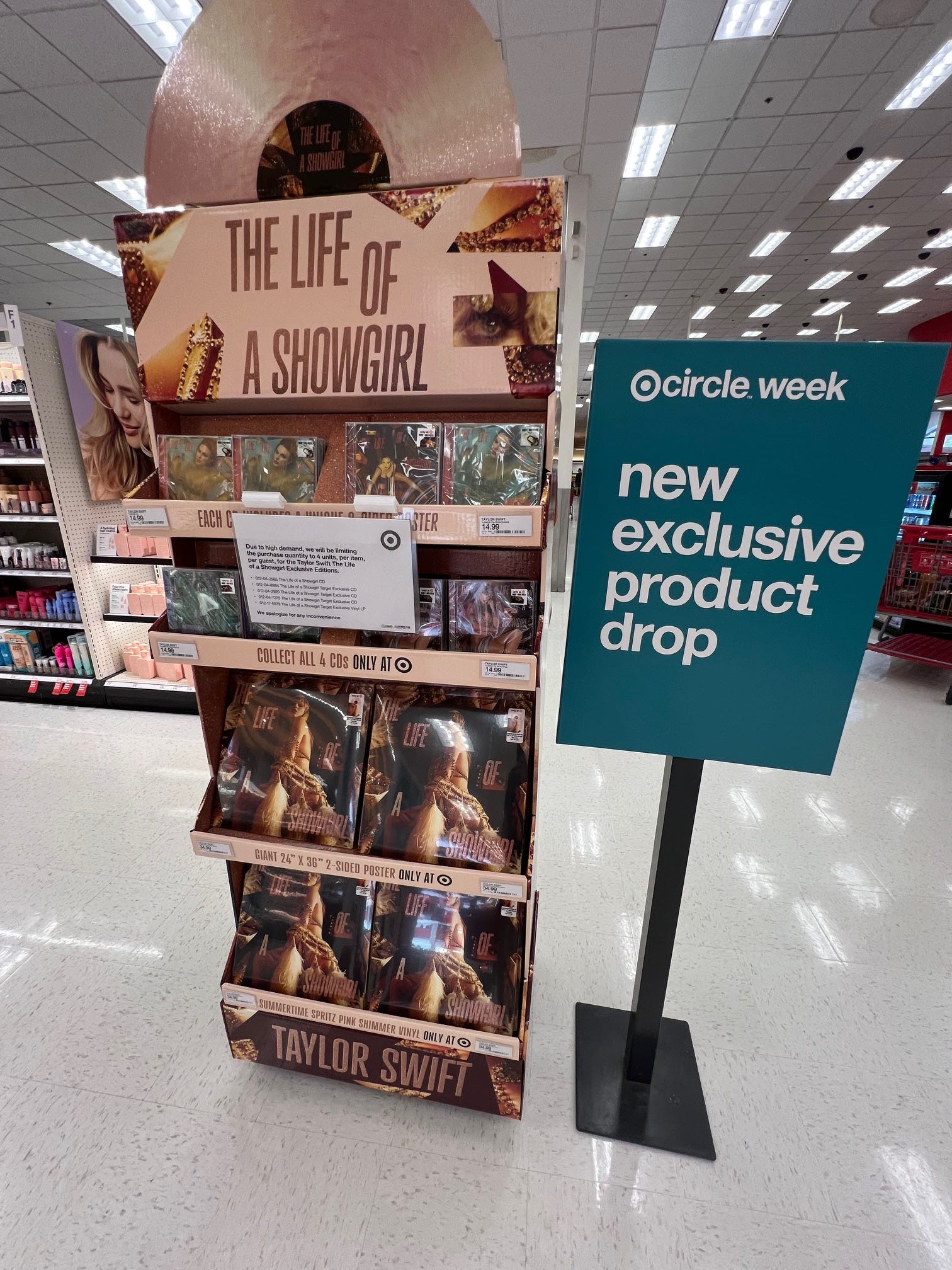
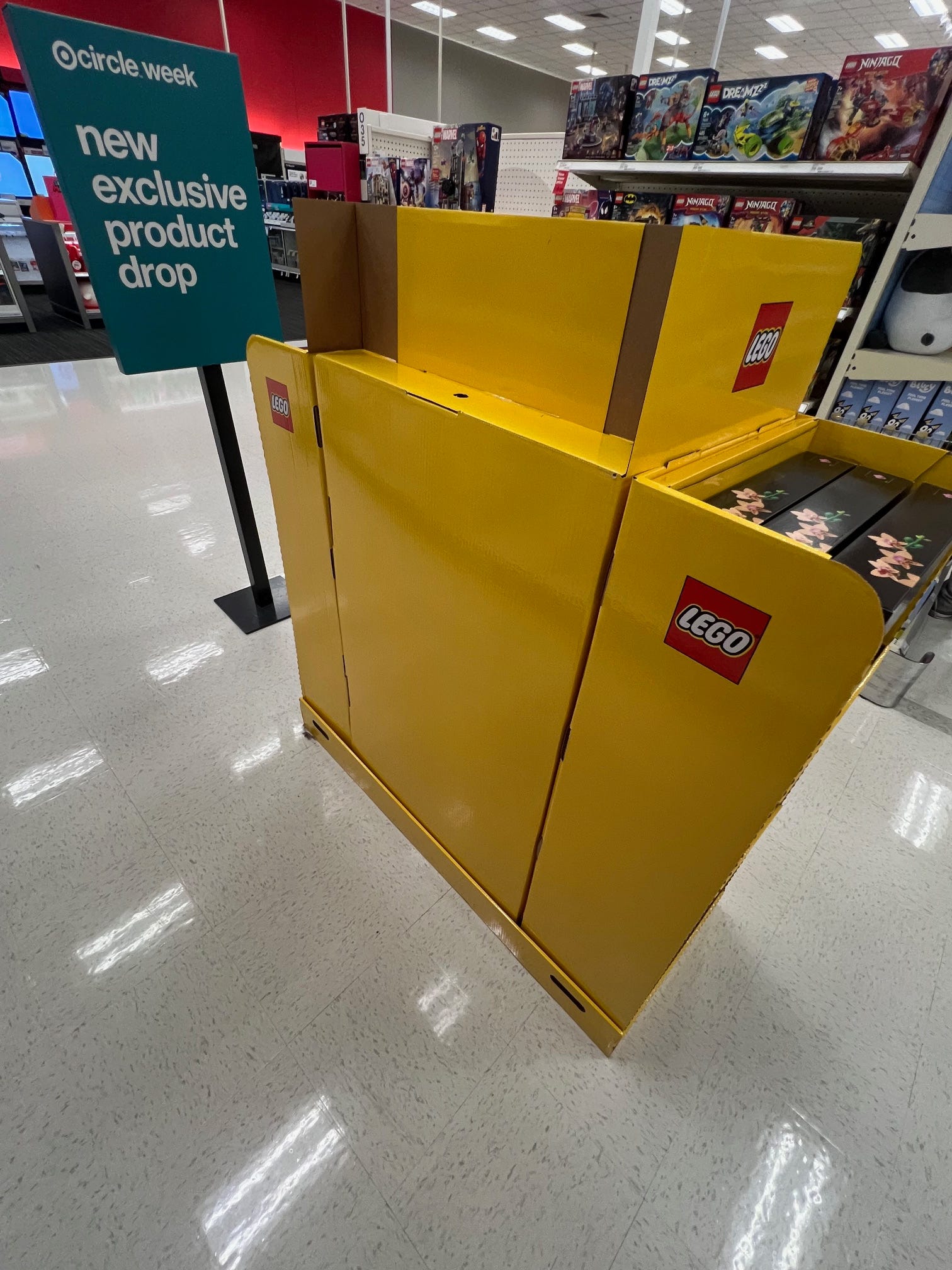
Target elevated Circle Week beyond discounts with its “new exclusive product drop” program, spotlighting Taylor Swift: The Life of a Showgirl, Stranger Things, LEGO, and the Roblox Party Pack. The goal was to create reasons to visit even without a specific deal in mind.
Where It Faltered
Execution didn’t carry evenly across the floor.
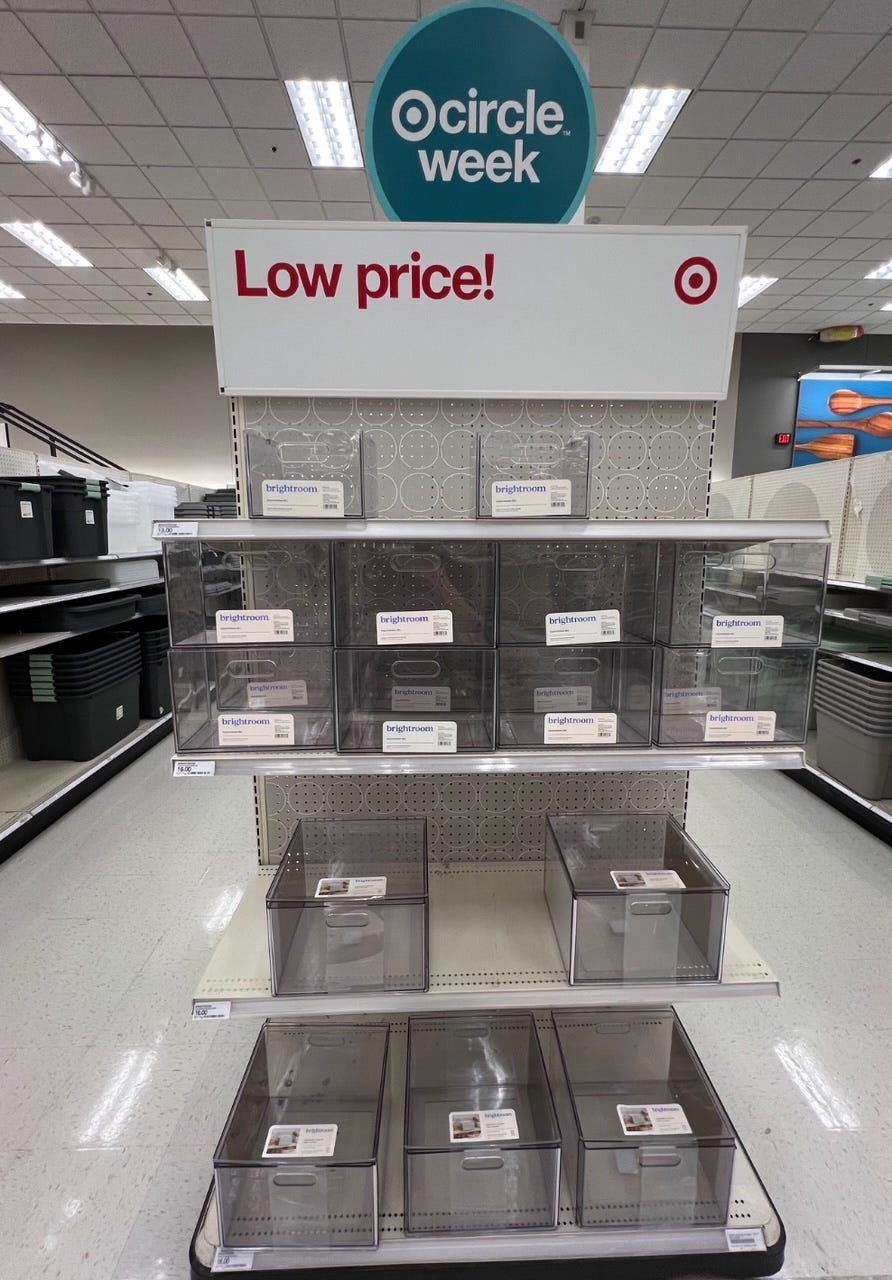
While the front zones delivered energy, the rest of the store felt quieter. Several “exclusive drop” shippers, such as LEGO’s bright yellow display, looked thin or unfinished. The Roblox display offered visibility but lacked excitement or a real connection to Circle Week’s visual story.
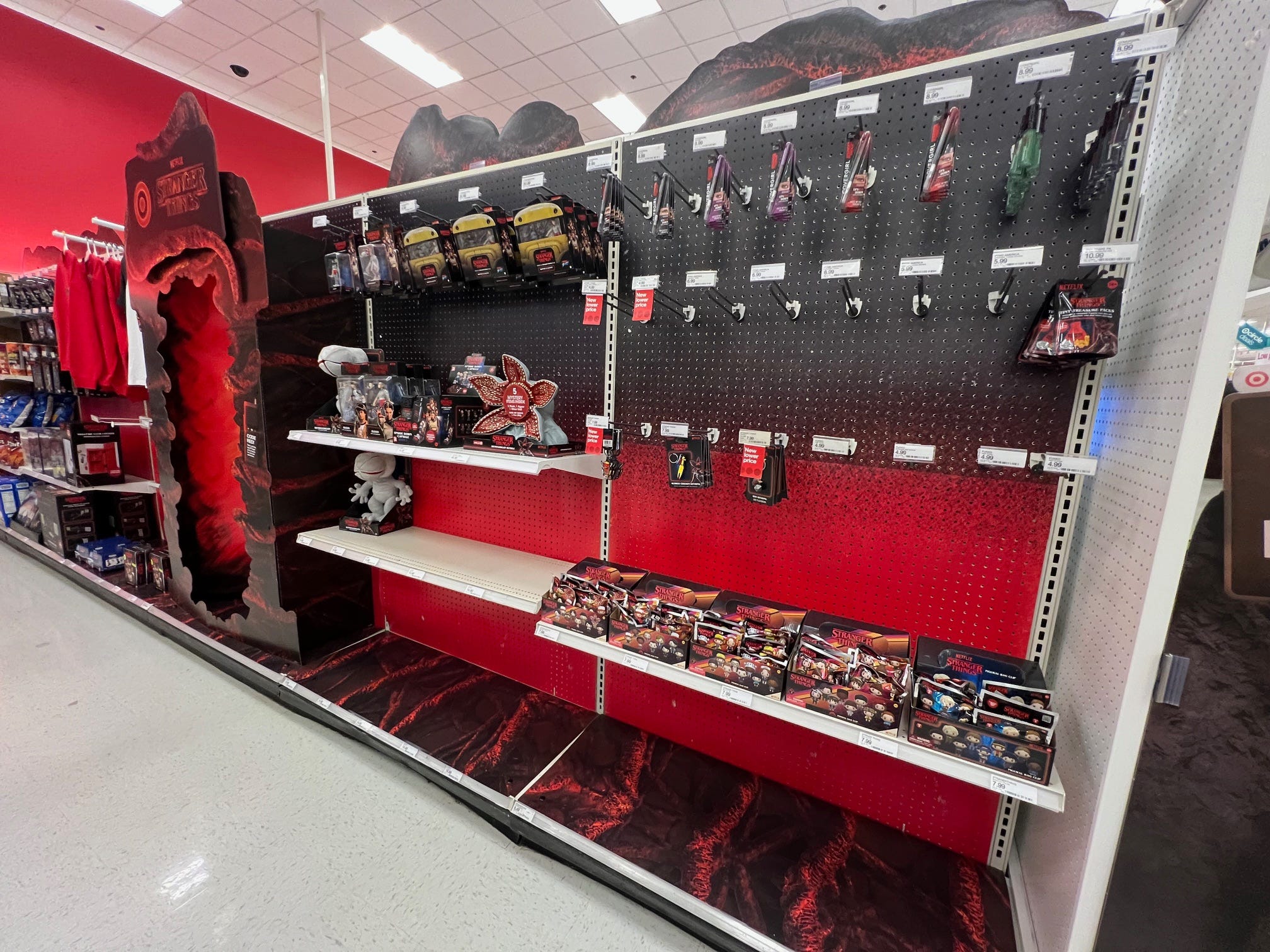
Even the Stranger Things section, arguably the centerpiece, suffered from low in-stocks, especially in collectibles like Funko. Ideally, that’s the result of early sales, not late arrivals, but it left a visual gap in what should have been the show’s anchor moment.
The inconsistency matters. It’s difficult to maintain momentum when energy dissipates by mid-store. Shoppers start engaged but lose that spark the deeper they go.
There was also a missed opportunity to connect the digital and physical experience. The Target app promotes a free year of Circle 360 when spending $199 on qualifying purchases, yet there was no clear in-store callout that I found. Bridging that gap would strengthen the connection between online engagement and in-store conversion.
Why It Matters
When retailers create large-scale promotional events, consistency is everything.
The front of store sells the promise. The rest of the store must deliver on it.
Target’s Circle Week shows how much potential exists when timing, storytelling, and product launches align. It also shows how quickly that momentum fades when planogram execution and in-stocks can’t keep pace. The result is a store experience that starts strong but ends unevenly.
For other retailers, this is the cautionary reminder: if your app is driving engagement, your store must reflect that energy. When customers shift between digital and physical, they shouldn’t feel like they’re entering two different worlds.
Lessons Beyond Target: Sustaining Momentum
Great retail events don’t stop at the front of store. They carry their energy, density, and story through every aisle.
Target’s front half of the store made shoppers feel the event. But the other half, especially beyond apparel and entertainment, felt disconnected. The learning here is universal: when retailers create large-scale events, every department should feel part of the same moment.
That means consistency in:
Deal density and visual rhythm
Graphic and color story
Supporting elements like product drops, newness, or exclusives
Customers shouldn’t feel like the energy fades once they pass seasonal or grocery. They should feel immersed from entry to checkout. Momentum is a design choice, and the best retailers build for it intentionally.
Closing Thought
Target Circle Week proves that attention is the new currency in retail. The brands that win are the ones that connect their digital and physical storytelling and sustain that energy throughout the store. I’d love to hear your thoughts as well!