
When Store Standards Slip, Customers Notice
Retail in Real Time

Look at the two photos below and the contrast speaks for itself. At Daiso, the aisles are clear, the floors are clean, and products are neatly faced and in stock. At Dollar Tree, carts and cardboard spill into aisles, blocking access and cluttering the experience.
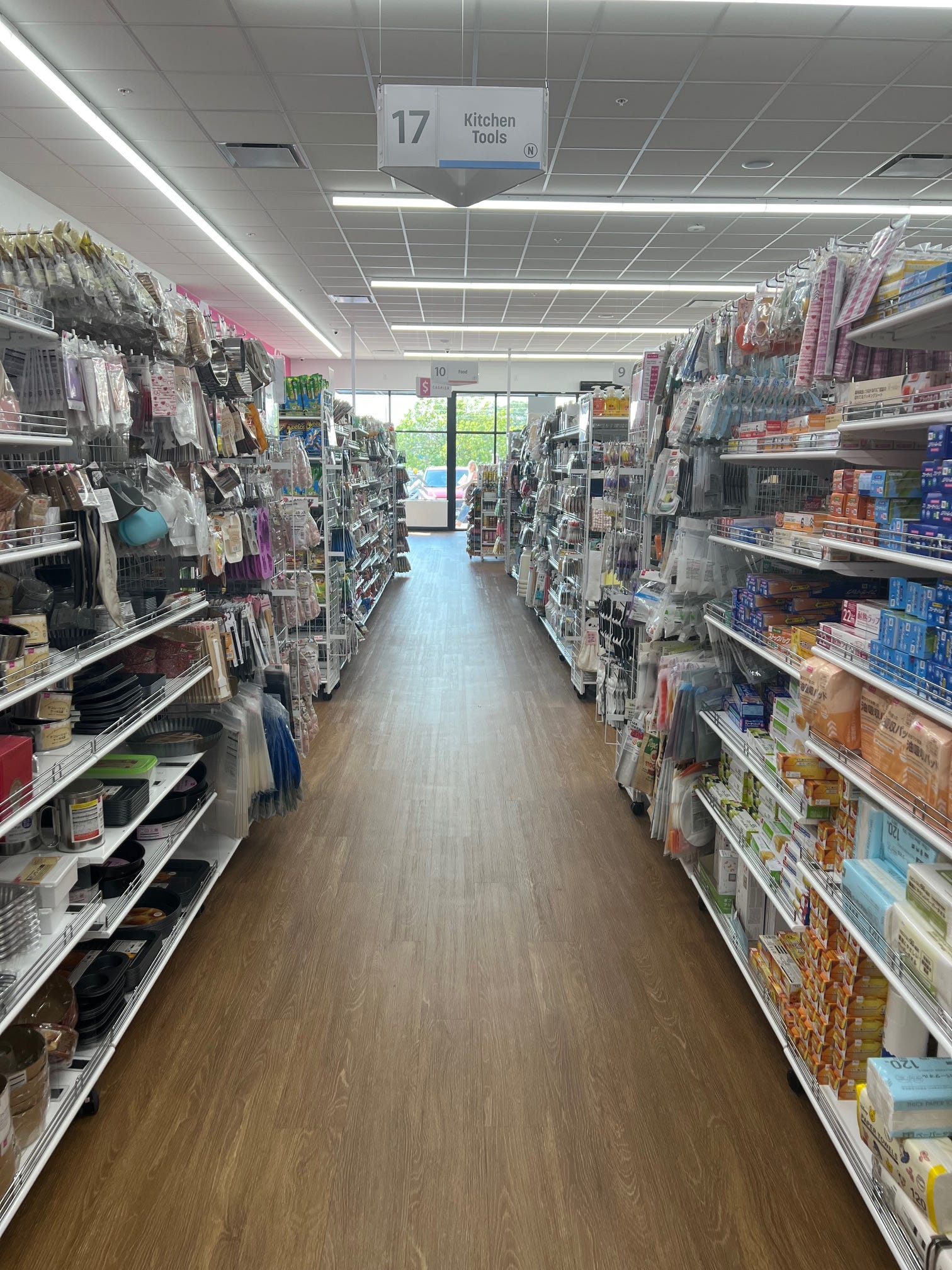
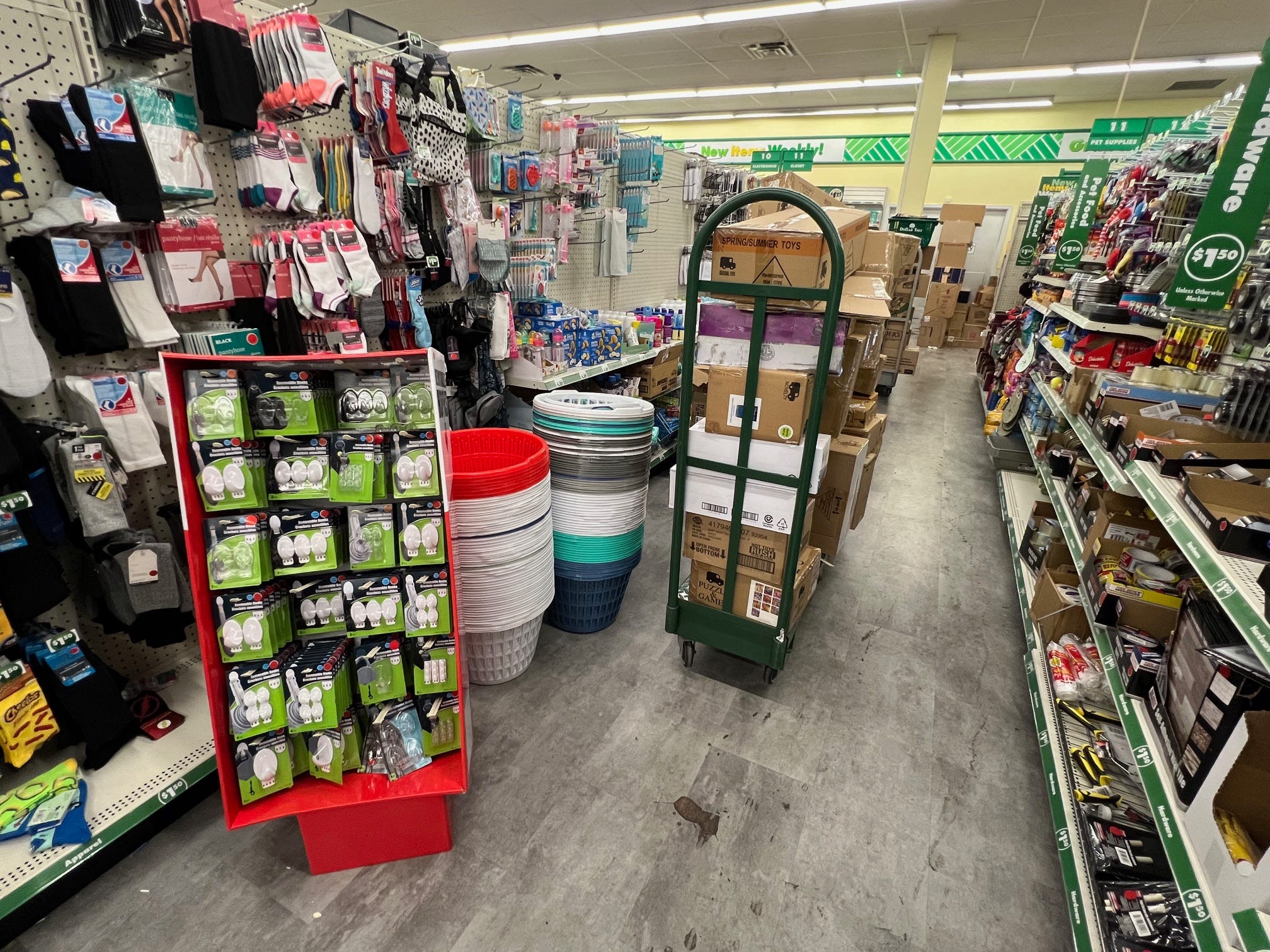
That difference is not just visual. It is an experience. And it carries real implications for sales, trust, and safety.
The Power of Standards
At its core, retail is about trust. Customers expect that the store they walk into will be shoppable, safe, and stocked with what they need. Store standards, how clean, clear, and organized a space feels, signal whether the retailer values their time.
When those standards slip, customers do more than notice a messy aisle. They begin to question reliability. If the store feels chaotic, can the products be trusted? If the aisles are blocked, why choose to shop here again?
Friction That Costs Sales
The consequences show up in lost revenue and damaged loyalty:
Lost baskets. A customer who needs 20 plates and finds only 10 in stock leaves empty-handed.
Abandoned trips. Shoppers skip products if they cannot reach them through clutter.
Safety risks. Boxes and carts in aisles are not just inconvenient. They are hazards that create liability far beyond the margin on a cart of goods.
These are preventable problems, rooted in store format, labor planning, and space allocation.
A Different Playbook
Daiso proves another path. Their stores are modest in size and run lean teams, yet the customer journey is clearly prioritized.
Clear pathways. Wide aisles remain open for ease of movement.
Disciplined restocking. Stocking is limited to a few aisles at a time, with more work shifted to non-peak or non-store hours.
Visual consistency. Products are faced, organized, and balanced to look abundant but not overwhelming.
It is not about elaborate design; it is about discipline and prioritization. It’s simple.
Lessons for Discount Retailers
Dollar Tree and Dollar General have built growth by scaling fast. But growth without guardrails creates cracks the customer cannot ignore.
Plan space with flow in mind. Do not let stocking compete with shopping space.
Set operational guardrails. Limit how many aisles are in restock mode at once.
Elevate accountability. Store leaders should see standards as core to the experience, not optional.
Merchandise with intent. Shelves should look like selling space, not backroom overflow.
The Customer Experience Takeaway
When clutter dominates, the store reflects the retailer’s challenges instead of the customer’s needs. Shoppers notice and adjust their behavior, often by going elsewhere.
Customers do not demand perfection, but they do expect respect. Clean aisles, open pathways, and full shelves are the baseline for trust.
Daiso proves it can be done, even in value retail. The lesson for others in the space is simple: less clutter creates more confidence in the shopping journey. If those other retailers took the time to visit a Daiso or two, they’d immediately be met with equal feelings of trepidation, admiration, and inspiration. You instantly see what’s possible and what your customer deserves.
Love the tale of two shopping trip style being used here!
Much value to be gained from comparisons and reflection.
Always enjoy reading your observations and the expertise that you lend to them.